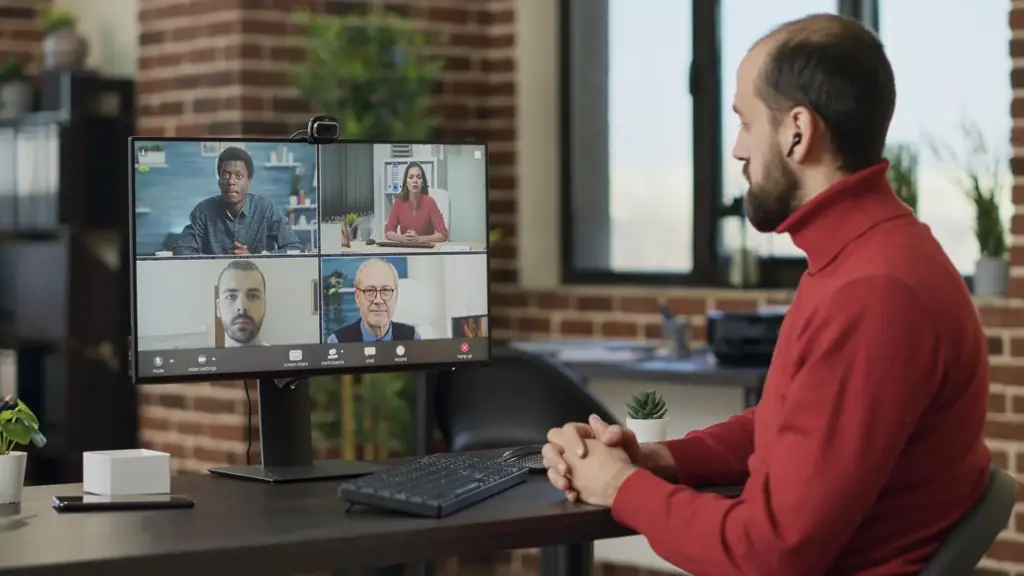
Make Virtual Rooms Feel Alive

Today we dig into interactive facilitation tactics to keep virtual meeting participants engaged—practical moves you can try immediately, like purposeful icebreakers, live polls, breakout sprints, rotating roles, and reflective pauses, all designed to transform passive screens into active collaboration. Share your favorite move and subscribe for fresh weekly experiments.

Openings That Spark Immediate Attention

Start strong by inviting voices within the first two minutes, converting curiosity into momentum. Use intention-driven warm-ups, transparent objectives, and quick wins that matter to attendees’ current challenges, so everyone senses relevance, psychological safety, and a reason to participate rather than spectate.

Designing Participation Mechanics

Polls That Matter

Ask questions whose answers drive a decision: prioritize backlog items, vote on risk severity, or choose a prototype to test. Share results immediately and commit to an action, demonstrating that interaction is consequential, not decorative, and that participants control momentum alongside you.

Whiteboards And Annotation Games

Use sticky-note sprints to surface ideas, dot voting to converge, and quadrant maps to place bets. Invite drawing on shared screens with playful constraints, like three colors only, to reduce perfectionism while producing structured artifacts you can export and refine asynchronously.

Breakouts With Crystal-Clear Tasks

Design breakout prompts that specify roles, timeboxes, and deliverables, such as a single slide, a decision statement, or ranked options. Provide a timer and broadcast nudges, then reconvene with concise spokesperson reports to transform dispersed conversations into actionable, collective outcomes.

Shared Ownership Through Rotating Roles

When responsibility circulates, engagement rises naturally. Rotate micro-roles like opener, timekeeper, chat curator, and recap artist. These lightweight duties distribute attention, create gentle peer pressure, and help participants listen for specifics, because someone will soon wear a different hat.

Purposeful Silence And Thinking Time

Schedule ninety seconds of quiet writing before discussions. Mics muted, cameras free. This simple pause lifts quality, includes reflective thinkers, and reduces groupthink by producing independent perspectives you can compare, cluster, and prioritize without dominant voices steering everything.

Micro-Break Choreography

Insert ninety-second stand-and-stretch cues with playful prompts, like finding an object shaped like a circle and showing it on camera. Movement resets attention, sparks laughter, and keeps blood flowing, so brains stay generous, curious, and ready for collaborative problem solving.

Camera Norms That Invite Comfort

Instead of rigid mandates, offer meaningful reasons to turn video on during specific moments, like decisions or introductions, and permission to turn it off during focused writing. Choice fosters trust, reduces fatigue, and still achieves connection when it matters most.

Learning Through Stories and Emotion

People remember narratives, not bullet points. Invite brief stories that link metrics to real lives, celebrate small experiments, and surface lessons earned the hard way. Emotional texture keeps attention warm while turning abstract goals into shared meaning the group can rally around.

Two-Minute Story Rounds

Ask for concise, two-minute stories about a customer delight, a rescue from confusion, or an unexpected insight. Timeboxing keeps energy high while demonstrating vulnerability safely, and listeners connect dots across functions, creating empathy bridges that make collaboration faster and kinder.

Show-And-Tell With Artifacts

Invite teammates to screen-share a sketch, dashboard, or snippet of code that moved work forward. Tactile artifacts make progress visible, honor craft, and spur questions that uncover assumptions, transforming spectators into contributors who want to help polish the next iteration.

The Failure Resume Moment

Normalize learning by inviting a short share about a mistake and the process that produced it. Focus on the recovery, the safeguard added, and the new signal to watch. Laughter plus candor builds resilience and courage for bolder, smarter experiments together.

Closing Loops and Extending Momentum

Commitment Ledger And Buddy Pairs

Publish a simple table of commitments in your work system and pair people as buddies to nudge progress. Light social pressure, transparent status, and micro-celebrations turn promises into habits, keeping the spark from today’s session glowing through delivery.

Feedback Ritual In Ninety Seconds

End by collecting two quick prompts in chat: Keep, Start, Stop. Read a few aloud, thank contributors, and pick one change to apply next time. Fast iteration models agility and proves that every voice can upgrade the shared experience.

Asynchronous Continuation Spaces

Create a living page or channel where artifacts, notes, and questions persist. Invite reflections within twenty-four hours, add a prompt for quiet brainstorming, and schedule a five-minute check-in post. Momentum continues while respecting different time zones and thinking rhythms.

Davolaxinexomiramexo
Privacy Overview

This website uses cookies so that we can provide you with the best user experience possible. Cookie information is stored in your browser and performs functions such as recognising you when you return to our website and helping our team to understand which sections of the website you find most interesting and useful.