Own the Screen in Everyday Meetings

Whether you are dialing in from a kitchen table or a corner office, Virtual Stage Presence for Everyday Meetings shows you how to appear clear, confident, and persuasive without heavy equipment or drama. We will blend practical checklists, human stories, and tiny, repeatable habits that heighten visibility and trust. From lighting and framing to voice, pacing, and engagement, learn to guide attention, earn decisions faster, and leave colleagues with memorable takeaways. Start today, improve in minutes, and invite your team to grow with you through repeatable practices that turn routine calls into reliable moments of influence.

Look Crisp, Feel Natural: Camera, Light, and Framing
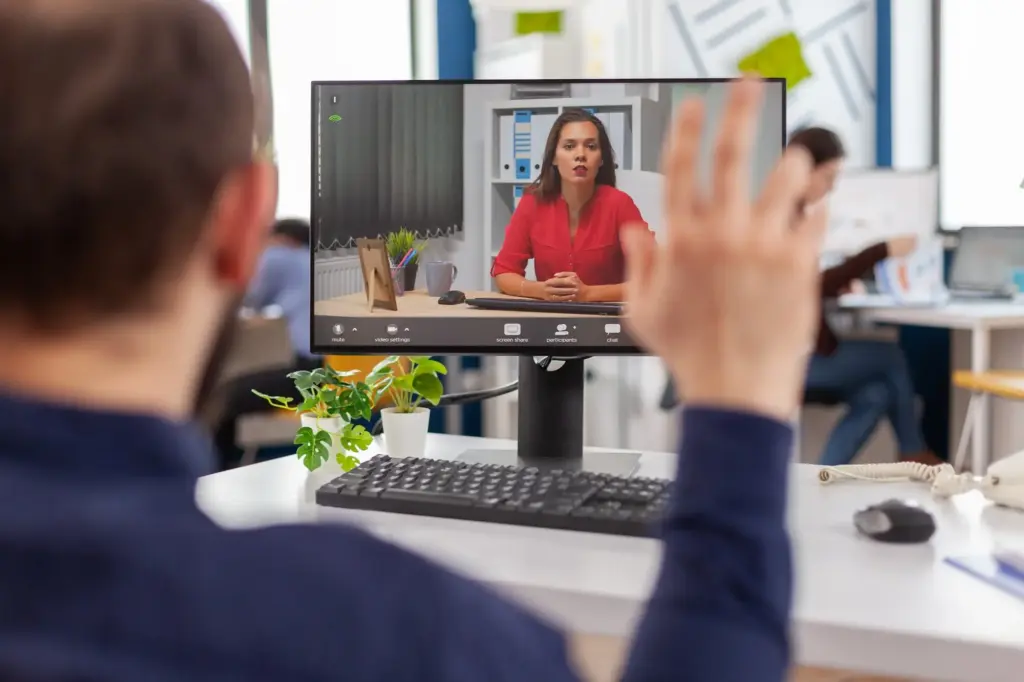
Great presence begins with how others see you. Set camera height at eye level, soften shadows, and guide attention with intentional backgrounds that complement your message. Balance color temperature, reduce glare, and frame from mid-chest upward for expressive yet grounded communication. With a few household items and simple positioning, you can create consistent clarity that reduces cognitive load for listeners, making your words easier to absorb and your confidence naturally more visible in every everyday meeting.

Light That Flatters Without Blinding

Use a soft, forward-facing key light slightly above eye level, then balance with ambient fill to tame harsh contrasts. Natural window light is excellent, but diffuse it with curtains to avoid patches and squinting. Match color temperatures across sources to prevent odd skin tones. Keep screens dimmed so their blue cast does not wash your face. A small, warm lamp behind you adds depth, separates you from the background, and quietly signals care without visual noise.

Backgrounds That Support Your Message

Curate a tidy, low-contrast background that hints at personality without stealing focus. Books, plants, or textured walls create depth and warmth, while busy shelves or bright posters distract the eye. Avoid virtual backdrops if your edges shimmer under motion. Instead, increase distance from the wall and blur subtly with lens settings where possible. Keep branding tasteful and minimal. The goal is quiet credibility: a scene that frames your face as the primary point of interest every time you speak.

Eye Line, Distance, and Framing

Place the camera at eye level and sit about one arm’s length away so your eyes land roughly one third from the top of the frame. This composition respects human perception and keeps gestures visible. If you present, lean slightly forward when emphasizing a point, then settle back for listening. Avoid looking at thumbnails instead of the lens, especially during key lines. Practice glancing between notes and lens smoothly, so your attention feels steady, intentional, and attentive.

Warm-Up Rituals for Clarity and Warmth

Spend two minutes humming softly, stretching your neck, and releasing jaw tension before joining the call. Sip room-temperature water to lubricate vocal folds, then read a paragraph aloud to tune articulation. Smile slightly to brighten tone, and breathe from your diaphragm for steadiness. These rituals prevent throat strain and shrinking volume near the hour’s end. Commit to them daily so your voice arrives reliably present, friendly, and strong, even when schedules are crowded and energy feels uneven.

Silence, Emphasis, and Pace

Pace is a signal of confidence. Deliver one idea per sentence, then pause briefly so colleagues can track and respond. Vary emphasis by slightly lowering volume on context and lifting intensity on decisions or deadlines. Replace filler words with a quiet beat; silence feels intentional when your posture remains steady. If you feel rushed, slow down the opening, not the ending, to shape expectations early. People follow what they can process, not what they merely hear quickly.

Microphone Choices and Noise Discipline

If your space is echoey, choose a dynamic microphone close to your mouth; for quieter rooms, a quality USB condenser provides pleasant detail. Use a pop filter, set input gain conservatively, and enable background noise suppression thoughtfully. Mute notifications and place phones away from the desk to prevent rumbles. Test levels before clients arrive, recording a thirty-second sample. Good audio is forgiving of small visual hiccups, and it allows attention to rest on meaning, not strain.

Make Updates That Stick
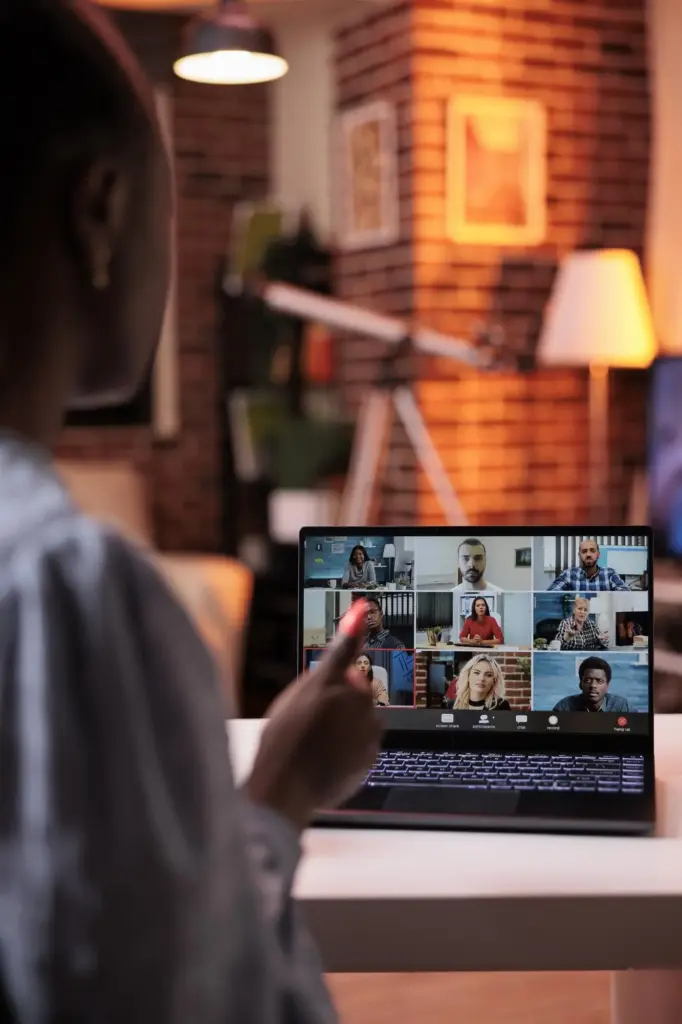
The 1-3-1 Progress Pattern

Try opening with one-line context, then three crisp points, then one requested action. This pattern fits ten-minute check-ins and weekly standups. It encourages you to prioritize, compress jargon, and surface trade-offs early. Share a metric where possible, link it to risk or opportunity, and name owners. With repetition, stakeholders anticipate the shape and engage sooner. You will spend less energy convincing and more time aligning, which is precisely what everyday meetings are meant to accomplish.

Openings That Earn Attention

Begin with a relevant question, a brief data point, or a twelve-second anecdote that paints the problem. Avoid meandering background; people can skim documents later. An opening is a promise of usefulness, so state the outcome you intend to deliver before detail. Lift your camera-facing gaze during the first sentence, then settle into notes. This combination of human connection and explicit purpose resets wandering minds and creates a gentle pull toward participation and shared responsibility.

Closings That Drive Action

Do not fade out. Re-state the decision, timeline, and owners, then confirm where updates will live. Summarize in one or two lines, pause, and invite explicit commitments in chat for visible alignment. If opinions diverge, propose a follow-up with a narrow agenda. End with gratitude that names effort, not vague appreciation. A clean closing reduces after-meeting churn, prevents email confusion, and signals professional steadiness, reinforcing your presence long after cameras and microphones turn silent.

Spark Interaction Without Chaos

Engagement tools shine when used sparingly and with intention. Invite chat for ideas, not side debates. Time polls to unlock decisions, not to decorate slides. Move visual collaboration to focused moments so attention does not fragment. Establish expectations upfront: how to raise hands, when to use reactions, and who monitors the backchannel. With light structure and friendly cues, you transform passive viewers into participants, while protecting momentum and safeguarding clarity for the moments that truly matter.

Body Language Inside the Box

Your frame is smaller than a stage, but it carries remarkable expressive power. Sit tall on your sit bones, anchor your feet, and let hands rise into view to support emphasis. Nod lightly while listening, not constantly. Keep micro-movements intentional so the camera does not exaggerate fidgets. Angle your torso toward the lens for warmth, then pivot subtly when transitioning segments. This choreography says, without words, that you are present, prepared, and respectful of everyone’s limited time.

Posture, Hands, and the Frame Edge

A neutral spine frees breath and voice. Place elbows slightly off the table so gestures appear fluid, not cramped or aggressive. Bring hands into the upper frame for key points, then return them to a relaxed resting position. Avoid tapping or swiveling, which microphones and cameras amplify. Wear fabrics that do not rustle, and choose solid colors to prevent moiré flicker. The quieter your edges, the clearer your message, and the easier it is for people to stay engaged.

Micro-Expressions That Build Trust

Small facial shifts speak volumes. A gentle brow lift invites questions; a soft smile eases tension during complex updates. Practice neutral listening so your face does not accidentally signal judgment. When clarifying, tilt your head slightly and hold eye contact with the lens for a beat. On tough news, relax your jaw and slow your breath to avoid sounding clipped. These micro-choices help listeners feel psychologically safe, which unlocks better candor, quicker alignment, and stronger follow-through.

Movement That Marks Transitions

Use subtle, visible movements to signal shifts: lean in to introduce a decision, lean back to invite reactions, and turn a notepad a few degrees before summarizing. Stand for high-energy segments if framing permits, then return to seated calm. These consistent cues prime attention without narration. They also help you reset your own energy across segments. When movement matches message, people track your structure effortlessly, and your presence feels choreographed without ever seeming stiff or performative.

Fail-Proof Your Setup

Confidence grows when your setup is resilient. Build light redundancy, rehearse fallbacks, and script recovery lines that turn glitches into human moments rather than stress spirals. Preflight your gear, label cables, and keep backups nearby. Learn your platform’s hotkeys so you regain control quickly. If the connection wobbles, you already know what to do, and your calm guides the room. Reliability is not fancy equipment; it is preparation, clarity, and rituals that protect momentum for everyone present.

Redundancy You Can Carry

Pack a small kit: spare earbuds, a compact USB mic, a short Ethernet adapter, and a phone tripod for emergency tethering. Keep a microfiber cloth for lens smudges and a sticky note to cover private details when screensharing. Store everything in a pouch near your workspace. Test each item monthly and log quick settings. This portable safety net transforms unpredictable environments into dependable venues, preserving your voice and visual presence when stakes rise and minutes truly count.

Network Stability, Explained Simply

If Wi‑Fi wavers, move closer to the router or plug in with Ethernet for instant stability. Close cloud syncs and streaming tabs that steal bandwidth. Set your platform to balanced video quality rather than maximum. Keep your phone ready to hotspot as a last resort. Run a speed test before client calls and make a habit of restarting your router weekly. These uncomplicated steps create fewer audio dropouts and keep faces fluid, which preserves rapport and momentum.

Recovery Scripts for Human Moments

When tech stumbles, name it briefly, breathe, and use a prepared line: “Give me fifteen seconds; continuing on audio while I restore video.” Summarize the last point, restate the next action, and confirm where notes will land. If a colleague freezes, pivot to chat or assign a quick reading moment. Protect dignity, maintain flow, and circle back with gratitude. These small scripts turn potential embarrassment into leadership, reinforcing calm authority and renewing trust across the meeting’s arc.
Davolaxinexomiramexo
Privacy Overview

This website uses cookies so that we can provide you with the best user experience possible. Cookie information is stored in your browser and performs functions such as recognising you when you return to our website and helping our team to understand which sections of the website you find most interesting and useful.